01
Causal / Bliss
Anandamaya
Inner inquiry
Do the system’s intentions treat people and outcomes as one interconnected whole?
Outer inquiry
Does it bring people together, or deepen divides?

DR. SUJITH · RESEARCH
Sujith’s work moves from individual performance, to the true impact of organizations, to the AI systems people now build. Here is a short, attributed view of that path, and how SuperEthos uses it to frame research questions.
Explore his philosophical frameworks alongside their sources and research methods.
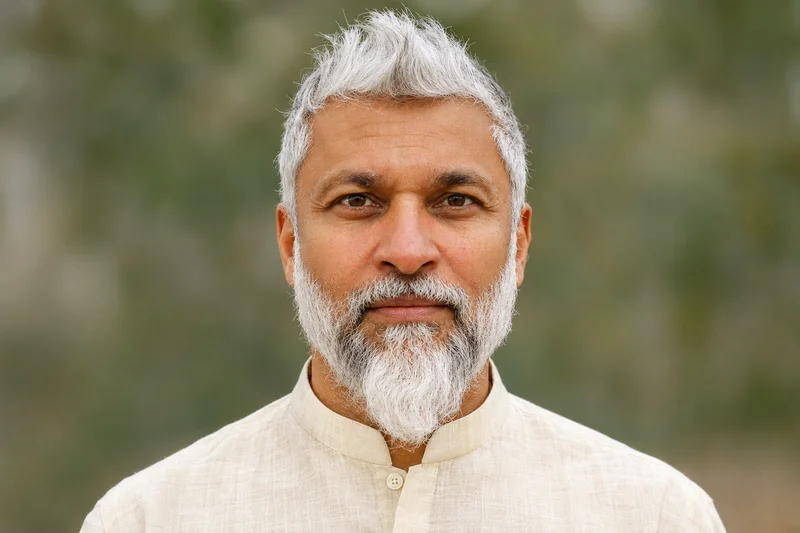
THE LICENSED FOUNDATION
Sports is the first distribution and use case: movement, statistics and technique matter, but they are not the whole of exceptional performance. Focus, resilience, recovery, decision-making, judgment and human values are the harder half. The same questions travel into teams, leadership, enterprise decisions, agent workflows and eventually robots.
Through the licensed partnership on Super Athlete, Dr. Sujith’s work gives SuperEthos its first licensed expert foundation. Explore that foundation through the books, practices and research on this site.
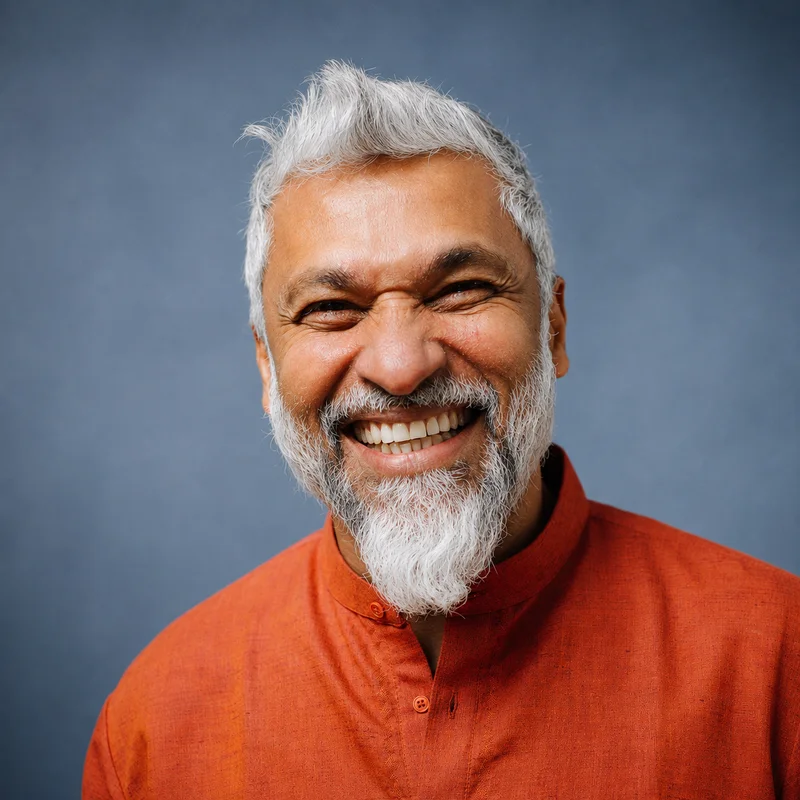
SUPER ATHLETE ANNOUNCEMENT / AUGUST 18, 2026
“Authority in consciousness, human potential and peak performance joins the Super Athlete identity network.” Published under Athletes & Ambassadors · Partnerships.
The announcement reports work across 70+ countries, published authorship including Peak Performance, and work involving the United Nations, G20 and European institutions. It names The New Man documentary and reports Best Documentary at the 10th Indian World Film Festival 2026.
“The next generation of machines will not need humans to teach them how to be faster. They will need humans to teach them the real meaning of exceptional performance.”— Dr. Sujith, quoted in the Super Athlete announcementOriginal announcement on LinkedIn Learn with Dr. Sujith
Super Athlete partnership announcement · August 18, 2026.
FROM HUMAN WISDOM TO SUPPORTED ACTION
Licensed provenance and permissions establish what can be used. Source-linked context makes interpretation inspectable. Organizational value review selects which principles apply. Research is model-neutral; product integration and execution controls are configured per deployment with Super.
THE CAI PHILOSOPHICAL LENS
Sujith’s CAI lens moves from causal intention through subtle formation to gross, material expression. The inner lens asks about a system’s formation and the maker’s and user’s intentions. The outer lens asks about effects on people and the world. Impact is co-created through design, use, relationships and institutions—not determined by the model alone.
Use these lenses to ask about intention, relationships and impact from more than one perspective.
Anandamaya
Do the system’s intentions treat people and outcomes as one interconnected whole?
Does it bring people together, or deepen divides?
Vijnanamaya
Does it show conscience, discernment and honesty?
Does it strengthen human conscience and creativity, or outsource them?
Manomaya
Is it accurate, clear and aware of the biases it inherited?
Does it sharpen human thinking, or promote dependency and polarization?
Pranamaya
What is the quality of the relationships and interactions around it?
Do people leave more vital and present, or drained?
Annamaya
Are its energy, water, hardware and resources used responsibly?
Does it support shared prosperity and livelihoods, or concentrate gains and displace work?
Responsibility: individuals, developers/makers, teams, organizations and policymakers. A maker’s intentions, a user’s purpose and an organization’s authority all warrant scrutiny.
Impact: individual, family, community, society, ecology and future generations. Bring different perspectives into the review and make disagreements visible.
Source: “Summary of the CAI Model: A Five-Layer Framework for Conscious AI,” Dr. Sujith Ravindran, author-supplied, undated, pp. 1–3; p. 1 philosophical foundation, p. 3 paired inquiries, principles and scopes.
PENTA BOTTOMLINE / ORGANIZATIONAL RESEARCH
The Penta Bottomline research proposes five dimensions and 114 markers for reflecting on true organizational impact, including organizational case research. It offers a broader inquiry than financial performance alone.
The study is context-specific and cross-sectional. Its organizational cases invite further investigation; application to AI calls for separate evaluation.
JUDGMENT ILLUSTRATION
EXAMPLE DECISION
Rules-based example. No connected actions are taken.
Explore example recommendations to allow, revise, clarify, escalate or stop. Connected actions still require independent authorization; the stop example concerns task consent.
Explore the larger working business simulations ↗CONTEXT & EVALUATION
Compare source-linked reflection with base-model prompts and retrieval. Examine source fidelity, expert review, escalation, language consistency and review effort, including disagreements and failure cases.
These examples support human review without taking connected actions.
YOUR QUESTIONS
LICENSED SOURCES / CITATIONS
Explore the books behind the ideas, with authors and coauthors credited. These sources inform questions about context, consent, wellbeing and judgment.
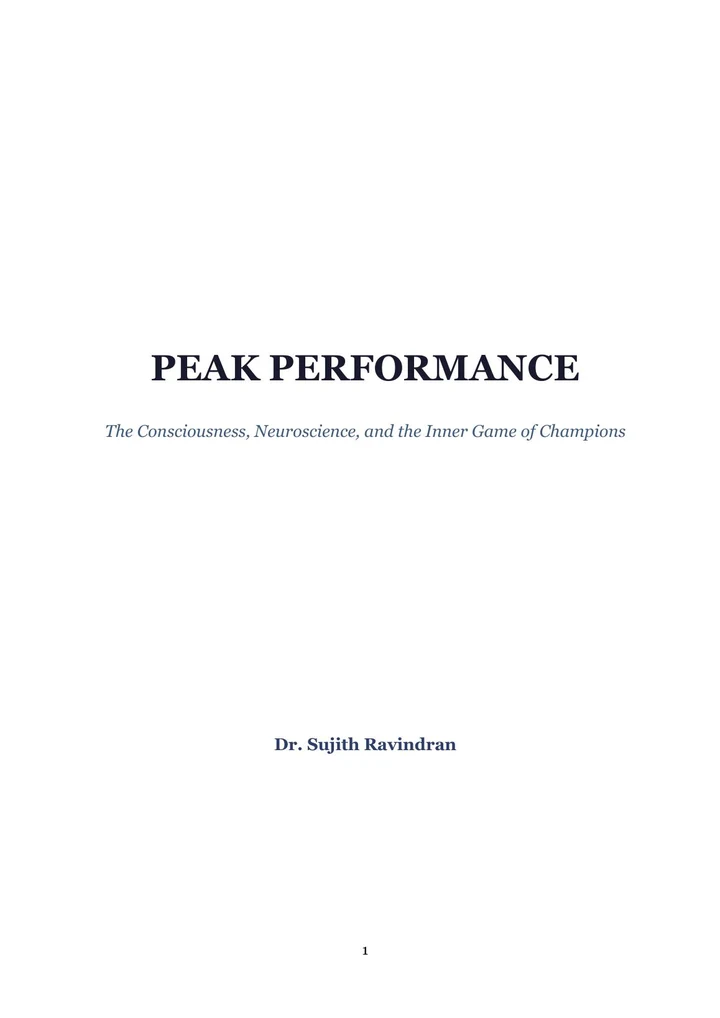
Dr. Sujith Ravindran. Peak Performance: The Consciousness, Neuroscience, and the Inner Game of Champions. Licensed private digital edition; publication year not supplied.
Observation §5; consent, welfare, boundaries and right to stop §8.2.5; practical protocols Chapter 8.
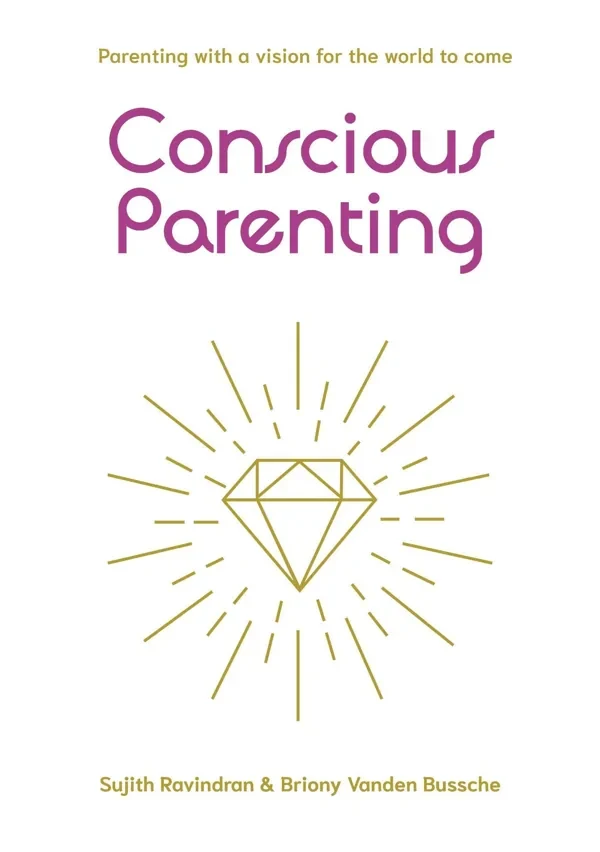
Dr. Sujith Ravindran; Briony Vanden Bussche. 2026.
Source context: Explore parenting as a shared journey of growth. Ravindran and Vanden Bussche invite adults to notice how their inner state shapes everyday interactions, approaching children with presence, curiosity and connection.
References: Introduction; Part 3: Parenting as a Daily Spiritual Practice.
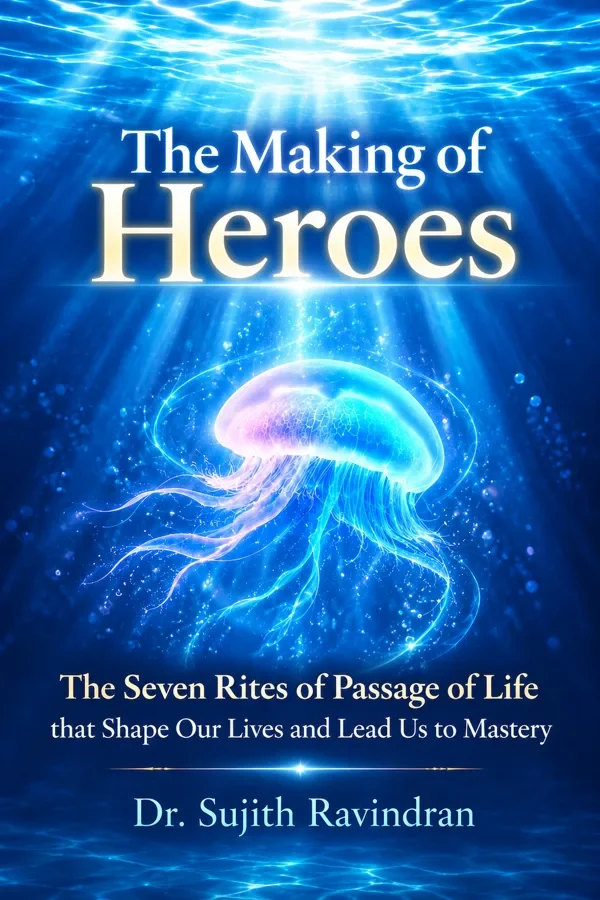
Dr. Sujith Ravindran. 2024.
Source context: Discover Sujith’s account of seven rites of passage, from birth through changing responsibilities, purpose and elderhood. The book offers a spiritual lens for understanding transitions and the role of guidance, rather than a fixed timetable for every life.
References: Introduction: The Universal Call of Rites of Passage; Epilogue: Embracing the Sacred Journey.
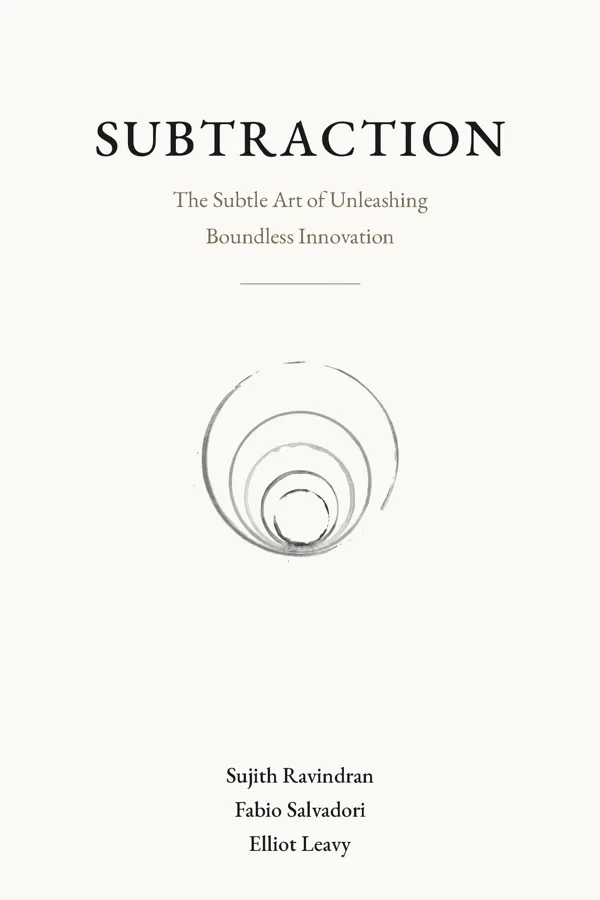
Dr. Sujith Ravindran; Fabio Salvadori; Elliot Leavy. 2021.
Source context: Look beyond innovation techniques to the person doing the innovating. Ravindran, Salvadori and Leavy explore awareness, inner configuration and the journey of becoming an innovator through a five-layer contemplative framework.
References: 2.1 The Being Innovator; 2.3 Awareness Informs Configuration; 3.1 Becoming the Being Innovator.
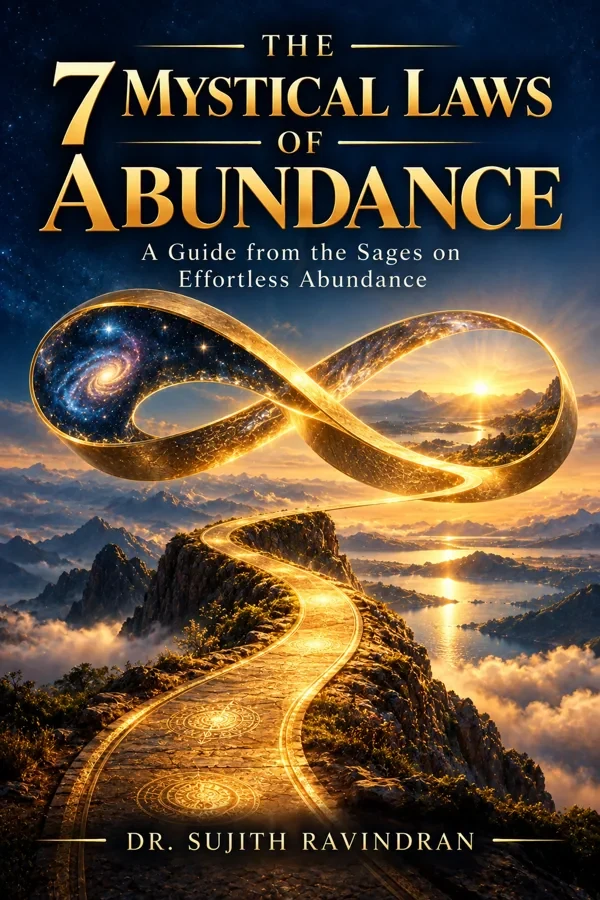
Dr. Sujith Ravindran. 2018.
Source context: Explore abundance through Sujith’s spiritual teachings on exchange, giving, detachment and dharma. Stories invite reflection on contribution and purpose, extending the idea of wealth beyond material accumulation.
References: 3. The Law of Detachment; 6. The Law of Dharma; 7. The Law of Inexhaustibility.
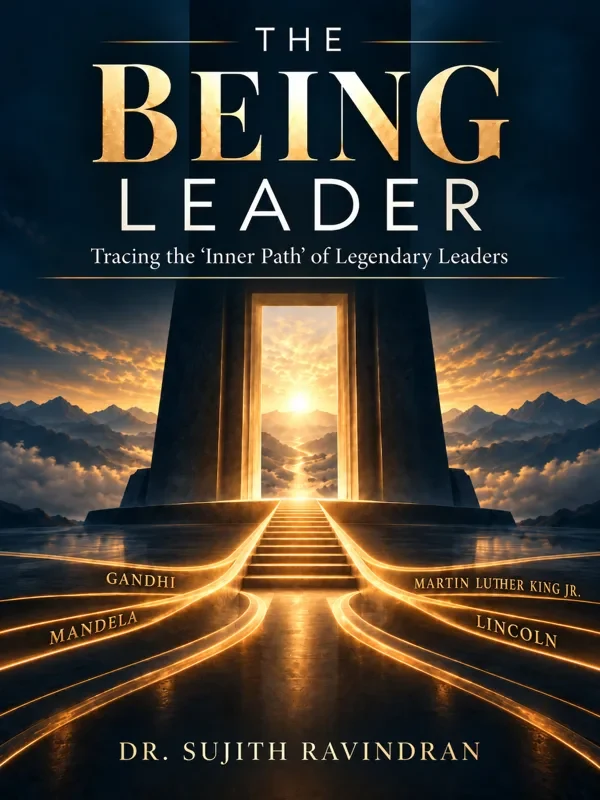
Dr. Sujith Ravindran. 2014.
Source context: Explore the inner lives of leaders through Sujith’s reflections on Gandhi, Mandela, Martin Luther King Jr. and Lincoln. The book connects self-awareness, guiding ideals and deliberate action with the deeper question of who a leader becomes.
References: Who Is the Being Leader?; Be Led by Your Highest Ideal; Engaging in Choiceful Action.
Sujith Ravindran. 2014. First Indian edition, May 2014.
Source context: Explore Sujith’s spiritual interpretation of mature masculinity through the qualities associated with Shiva. The book invites reflection on awareness, compassion, authenticity and self-restraint, using stories and contemplative questions.
References: Preface, printed pp. 1–4 / PDF pp. 15–18; Chapter 9, printed p. 69 / PDF p. 83; Chapter 14, printed p. 107 / PDF p. 121; Chapter 24, printed p. 177 / PDF p. 191.
Book summaries are adapted by NextGenTM. Full manuscripts remain private.
Read the free book previewsNext step
Build around your knowledge. Choose your audiences, uses and review process.